
Printables:


Blog Posts:


Book Ideas:

Just Ask: What is a Wave?
Just Ask: What is the Ocean?

The Magic School Bus and the Shark Adventure


Younger Kid Ocean Books:
*=Favorites


It's crucial that kids develop healthy eating and activity habits as they grow up. A child's mental and social development may be hampered by being overweight or obese in addition to the risks to their physical health. According to research, kids who have a healthy weight tend to be happier, fitter, and have more self-confidence, which aids in their academic and social growth. Additionally, they are more likely to develop into healthy adults who have a lower risk of developing a wide range of illnesses, such as type 2 diabetes and numerous malignancies.
To offer children the best opportunity of living a long and healthy life, it's critical to work to ensure that they develop healthy behaviours at a young age. This holds true regardless of whether your child is already a healthy weight or is now obese.
Children's personality and behaviour are established and shaped in large part by their good habits. Parents who want to raise their kids to be decent people often think about ways to help them form positive habits. However, since kids pick up things from what they see, parents need to set a good example for their kids. Additionally, give them motivation to adopt excellent behaviours by outlining the benefits of doing so.
In the early years of your child's life, it is crucial for you as a parent to maintain a positive outlook. Everything you educate them today will affect the way they think in the future. The last thing you would want is for your child to grow up to be a pessimistic and depressed person. Adopt a positive outlook on life and ensure that your home is a joyful and pleasant place to be.
The core cause of a child's suicidal disposition and tendency to harm themselves is frequently found at home. There may be numerous of these, like not feeling safe or at home where you were raised. Therefore, make sure that your home is a place where your child feels safe and at ease.
To ensure their children's academic success, parents should also keep a library at home and provide them with learning resources. Encourage your children to use dictionaries to look up the meanings of new terms and encyclopaedias to find the answers to their questions as parents. Your youngster will learn how to conduct research from this. Books promote discipline and order in the household.
Realistic expectations are one of the most crucial things to keep in mind when raising your child. Your child will inevitably make mistakes at some point, and you must handle this with grace and patience. Keep in mind that your child is still young and impressionable, and that they will probably imitate what they see.
If you have reasonable expectations for your children, they will learn to live up to them. Parents need to understand that kids don't all learn at the same pace, in the same amount of time, or with the same ease. Even as adults, they are unable to achieve all the same levels of success.
Sometimes having high hopes can motivate parents to spend meaningful time with their kids and provide them with the resources they need to reach their full potential. However, it can be detrimental to a child's growth and self-image if excessive expectations surpass the child's potential. In order for a child's skills and interests to grow during their formative years, parents must therefore exercise patience.
Parents who are exceptional achievers anticipate that their kids will follow suit. However, you should be aware as parents that children's jobs are to play and learn. So don't burden them with your expectations and instead let them enjoy their childhood. Little kids can't be expected to behave like adults! Children's behaviour frequently aggravates parents, but all they want is your attention, and it is an example of typical kid behaviour.
Family time is crucial for a growing child. Introduce them to each member of your family and explain their ties to them as well as how they should be treated. In this manner, kids will develop a sense of respect for those around them and an early appreciation for the significance of family.
To promote close family ties, you can set up indoor and outdoor games, family picnics and get-togethers, potlucks, and other enjoyable activities. Children from broken households have social maladjustment, whereas kids from homes with strong family ties develop into self-assured adults with a positive attitude.
Rewarding your youngster for good behaviour is a terrific idea. This will help them maintain their motivation and commitment to acting in the best possible manner at all times. However, it's important to remember that you shouldn't give your child materialistic rewards like chocolates, TV time (with the help of Optimum internet and TV packages), or the like. Make the benefits intangible, such as a hug or a word of thanks. Rewarding your child with positive experiences will help them understand that true happiness comes from life's rich experiences rather than superficial pleasures.
Unbelievably, lifestyle-related diseases including childhood obesity, diabetes, and even high blood pressure are more prevalent among today's children. In order to prevent your child from being a couch potato in their early years, start by encouraging physical activity. Join your child in the park and play there. Additionally, enrolling them in swimming lessons is a great method to keep them active and fit.
No matter how busy you are with your regular responsibilities and employment, you must make an effort to be present in your child's life. Keep yourself informed about their whereabouts, the friends they hang out with, and their academic performance. A brief conversation with your child when they get home from school is an excellent idea because it will keep you informed of their emotional state. You can get a lot of resources to help you help them with learning and anything they may be struggling with like letter tracing worksheets.
Participate in community projects with your child to help them understand their responsibility as a citizen. This will motivate people to take action for the benefit of society. Your child will experience great satisfaction from lending a hand and doing good deeds. Helping them plant trees or taking part in a social campaign are also excellent ideas. Social responsibility is a fantastic approach to make young people aware of important issues and inspire them to support worthy causes. Your child should grow up understanding the importance of volunteering. Try to bring your child along when you visit an elderly home or teach orphans so they can engage with each other and you.
This is most likely one of the crucial elements in most houses. Fortunately, it's not that difficult. Try to estimate the amount of money your child will require. Give them a set sum each month. Additionally, get your child a "piggy bank" and instruct them to attempt to save money for any future purchases they might want to make. They will develop the habit of saving as a result. Nowadays, banks are offering opportunities for opening accounts for minors. You can suggest that your youngster open a bank account and take charge of their own spending.
Although teaching your child to be accountable is not always easy, there are several effective methods you can use. If your child is old enough, think about acquiring them a pet because it will teach them responsibility. Give your child something essential and urge them to keep it secure; then, observe their approach. These simple techniques will help your child develop responsibility.
Your youngster should understand that when you say "No," it's the end of the line. The last thing you want is for your child to develop a harsh and arrogant mindset where they can always get away with making up reasons. Remind them that you are in charge and that until they are adults, you will be the one making decisions on their behalf. Make sure they understand that they will always have the opportunity to express their views and defend their positions, but that your judgement will ultimately prevail.
Knowing when to say "yes" is just as important as knowing when to say "no." Allow your child to participate fully if they must attend a birthday party, even if it requires rearranging the itinerary. Everything you do to improve your child's social skills, no matter how small, is okay.
Cooking together with your child is a wonderful way to relax and decompress. Ask them to assist you in making salad dressings or decorating cupcakes. Additionally, you can assist them in selecting the ideal mixture of culinary items.
Make sure your youngster has the freedom to express their opinions. Give children the freedom to express themselves honestly about any situation, and attempt to understand what they are thinking. You can also get your child's opinion on minor issues involving the house. In this way, individuals are more inclined to follow your instructions, comprehend your decisions, and even respect your judgement.
*This is a contributed post
Hello! It's been a while, and it will probably be a while yet before I post regularly again, but I thought I'd do a quick newborn update.

Newborn goals:





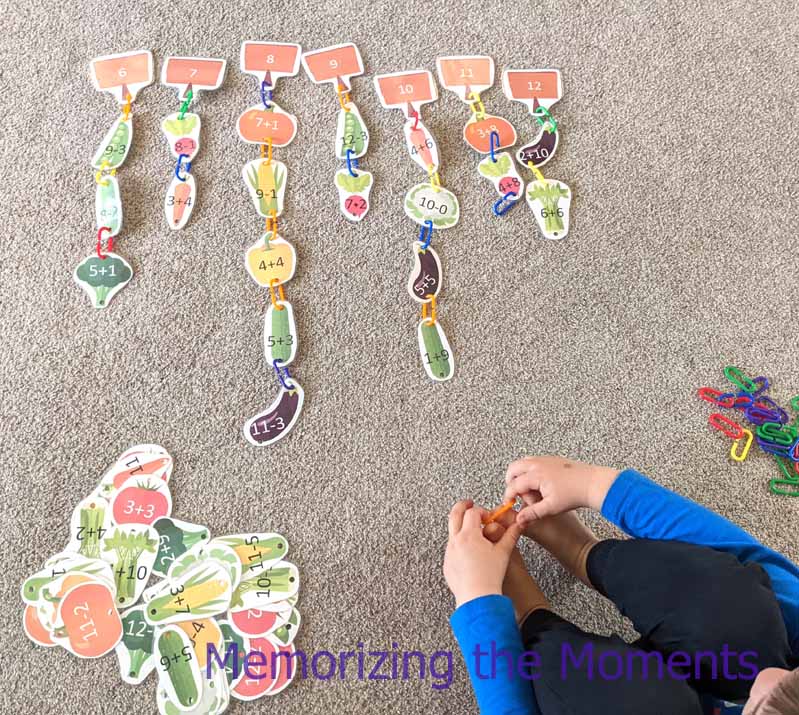



I decided I needed some themed versions of some of our common math activities to go with the plant and garden things we have been doing. Because I used the Vegetable Garden Addition and Subtraction Printables to cover those skills, I only made two activities with flowers.